
Mental Health and Suicide Prevention Training
Mental health training for your organisation or group.
Have you noticed a colleague, client or friend displaying signs of stress, anger, depression, or despair? What do you do? What do you say? Are you equipped to handle conversations with someone in crisis?
At Lifeline Gippsland we are committed to raising awareness of mental health and suicide prevention. A community that is trained to recognise and respond to a person in crisis is the best safety net and builds resilient communities.
Become confident in starting a conversation that could save a life.
Why choose Lifeline Gippsland training?
Lifeline Gippsland is a not for profit charity. By choosing to do your training through Lifeline Gippsland you are not only getting the very best mental health and suicide prevention training by the leading organisation in mental health, but you are also helping to support our 13 11 14 crisis line and saving lives. To find out more about Lifeline Gippsland’s vision, purpose and values, check out our About page.
Training courses offered through Lifeline Gippsland
DV Alert
Domestic and Family Violence Response Training (DV-Alert) is designed to build capacity in frontline workers within universal services for whom family violence is not a core function of their role.
Learn how to:
- recognise the signs of domestic and family violence
- respond with appropriate care
- refer effectively to support services
We are committed to ending violence against women and their children, dedicated to empowering frontline workers and volunteers to respond confidently to those in crisis. We deliver expert domestic violence response training with care and compassion in a safe space where workshop participants can learn, connect and share. All DV-alert training is FREE for eligible frontline workers, and funded by the Department of Social Services.
Find below the different workshop streams and available dates with links to register your participation.
LivingWorks safeTALK
-
- LivingWorks safeTALK is a half day, face-to-face suicide alertness workshop that empowers people to recognise when someone may be thinking about suicide, respond with confidence, and connect them to life-saving support. Designed for anyone aged 16 and over, safeTALK requires no prior experience and is ideal for individuals, workplaces, and community groups.
Through guided learning, participants learn to notice the signs that someone may be experiencing challenges, engage in open conversations, and link people at risk with appropriate professional help and resources. The program recognises that many people experiencing suicidal thoughts signal their distress, yet these opportunities for help are often missed.By completing safeTALK, participants become Suicide Safety Connectors, strengthening the Network of Safety and contributing to suicide-safer communities. Each workshop is delivered in person by an experienced Lifeline Gippsland safeTALK facilitator, and participants leave with practical, transferrable skill they can use in everyday life.**If you have lost someone to suicide on the past year, we encourage you to speak with our training team before attending, as participation may be emotionally challenging. - LivingWorks safeTALK flyer
- Book LivingWorks safeTalk training
- LivingWorks safeTALK is a half day, face-to-face suicide alertness workshop that empowers people to recognise when someone may be thinking about suicide, respond with confidence, and connect them to life-saving support. Designed for anyone aged 16 and over, safeTALK requires no prior experience and is ideal for individuals, workplaces, and community groups.
Accidental Counsellor
-
-
- An accidental counsellor is a counsellor by chance. This program discusses how to recognise someone experiencing an emotional crisis or a developing mental health issue and how to respond appropriately. Sessions for this course highlight the importance of self care and prioritising your own wellbeing as you support others.
Becoming an accidental counsellor will give participants the confidence to use simple tools to recognise, understand, and respond to those in crisis. Please note that the Accidental Counsellor training will not qualify you to become a professional counsellor or to provide ongoing support. - Accidental Counsellor flyer
- An accidental counsellor is a counsellor by chance. This program discusses how to recognise someone experiencing an emotional crisis or a developing mental health issue and how to respond appropriately. Sessions for this course highlight the importance of self care and prioritising your own wellbeing as you support others.
-
Mind Your Mates
-
-
- This course is about how to have a conversation with someone starting with R U OK? We recognise that it can be hard to start a conversation with someone you are worried about. We can ask R U OK? but what do we say if the answer is “no”?
This training provides tips and resources to promote life changing conversations with your family, friends and colleagues, at home, your workplace, or in your community. Learn simple tools to support those around you, and become confident in asking about suicidal thoughts and how to look after yourself while you support others. - Mind Your Mates flyer
- This course is about how to have a conversation with someone starting with R U OK? We recognise that it can be hard to start a conversation with someone you are worried about. We can ask R U OK? but what do we say if the answer is “no”?
-
Mental Health First Aid
-
-
- Understanding how to talk about mental health and help someone in need are important skills, but many people feel uncomfortable and unprepared to start a conversation with someone they are concerned about. In the Mental Health First Aid course you will learn how to recognise the signs and symptoms of common mental health problems and learn the skills to feel confident to be able to help.
Having mental health first aid skills means that you can assist someone who may be developing a mental health problem or experiencing a mental health crisis and make a real difference to your community. - Mental Health First Aid flyer
- Understanding how to talk about mental health and help someone in need are important skills, but many people feel uncomfortable and unprepared to start a conversation with someone they are concerned about. In the Mental Health First Aid course you will learn how to recognise the signs and symptoms of common mental health problems and learn the skills to feel confident to be able to help.
-
Non-Suicidal Self Injury (NSSI) Training
-
-
- This program discusses how to recognise someone experiencing an emotional crisis or a developing mental health issue and how to respond appropriately.
Responding appropriately at the right time to someone experiencing a crisis can positively affect the outcome for that individual. - NSSI flyer
- This program discusses how to recognise someone experiencing an emotional crisis or a developing mental health issue and how to respond appropriately.
-
Conversations About Suicide
-
-
- Learn how to provide mental health first aid to someone who is feeling suicidal.
This course will teach you how to identify, approach and support someone who is experiencing suicidal thoughts and behaviours using a practical, evidence-based action plan. You will also have the opportunity to practise your new skills in a safe environment. - Conversations About Suicide flyer
- Learn how to provide mental health first aid to someone who is feeling suicidal.
-
Contact
Crisis Services training team, Lifeline Gippsland
Ph: 03 5136 3500, email contact
Meet Our Training Officer: Jack Symes
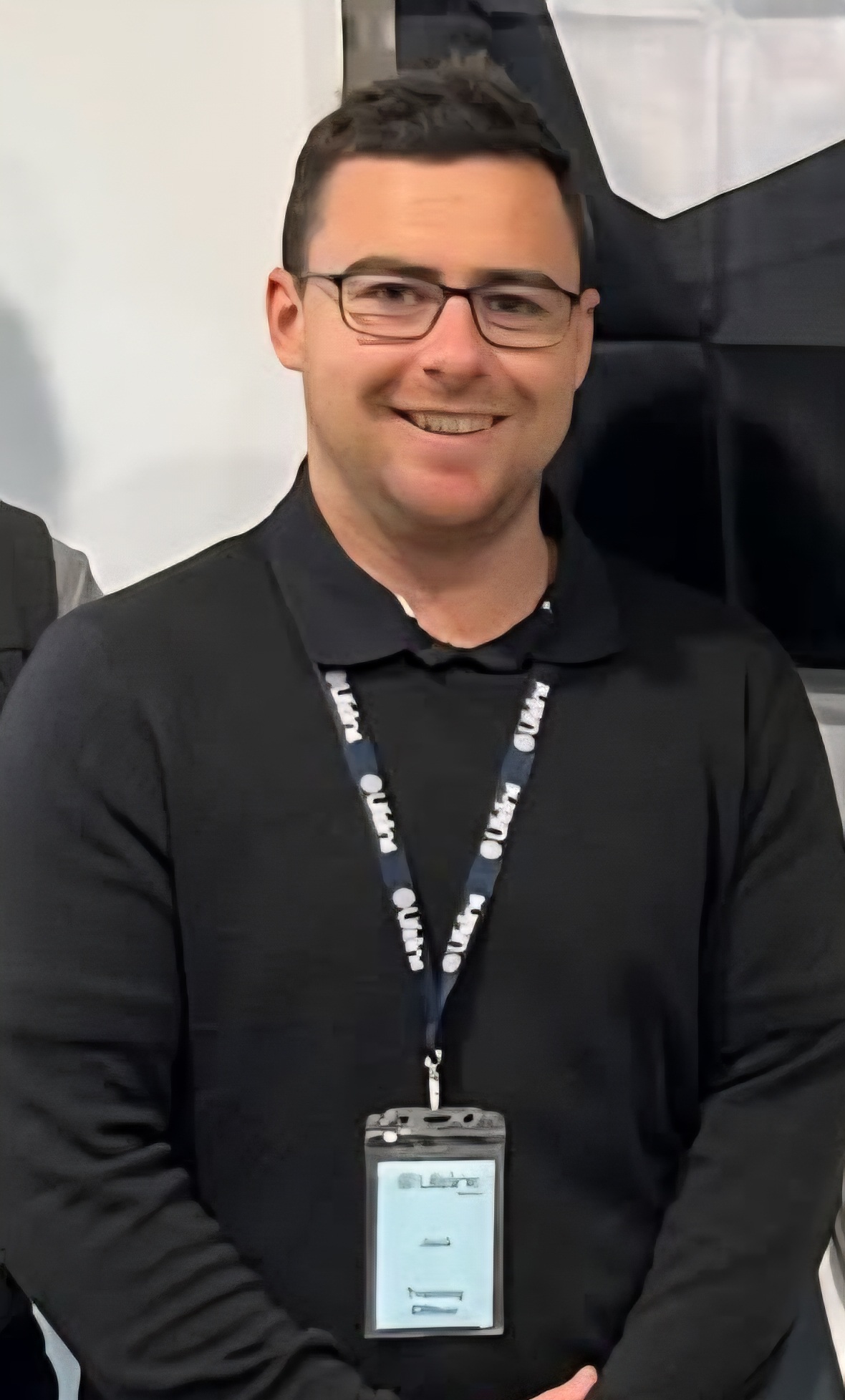
Jack brings a deep passion for supporting others, with a strong belief in the power of validating people’s experiences and recognising that everyone is on a mental health journey. With his background in community engagement and a love for sport – especially football – Jack knows the importance of connection, resilience, and mental wellbeing both on and off the field. He is also a volunteer Crisis Supporter on 13 11 14, which further compliments his work as a trainer and passionate community member.
Jack is also helping us grow our expanding suite of training programs including Crisis Support Workplace training, LivingWorks safeTALK, Mental Health First Aid, Non-Suicidal Self-Injury, Accidental Counsellor, Mind Your Mates, Domestic and Family Violence Awareness, and many more.
Lifeline Gippsland’s aim is to make our communities suicide aware, mental health literate, and inclusive for all. We work to provide those experiencing a crisis, their carers, and their communities with the supports, tools, and knowledge to have a conversation, reconnect with hope, and develop safety options. This is achieved through developing and delivering programs suitable for any member of the community, to increase knowledge, understanding, and the confidence to start life changing conversations.